
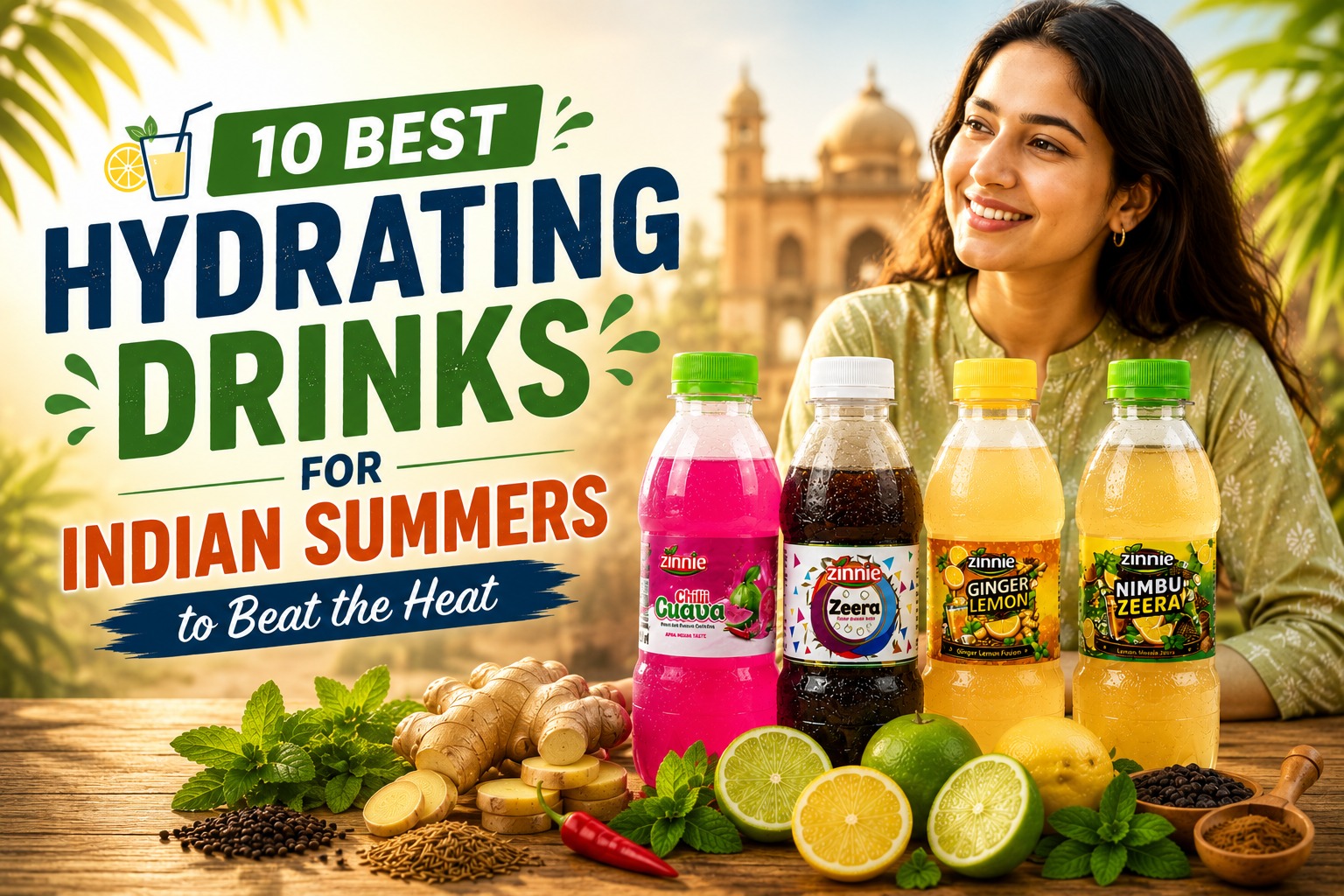
Indian summers can be hot, dry, humid, and physically demanding. From commuting to work and traveling outdoors to exercising or simply spending time in the sun, the body can lose fluids through sweating. Choosing suitable summer beverages can help you stay refreshed while supporting your everyday fluid intake.
But hydration does not have to mean drinking plain water all day. India has a wide variety of traditional and modern beverages that can make staying hydrated more enjoyable, from coconut water and chaas to lemonade, aam panna, and other refreshing drinks for summer.
In this guide, we explore some of the best hydrating drinks for Indian summer, how to choose summer beverages, what to look for when buying packaged cold drinks, and how to enjoy refreshing drinks while keeping hydration as the priority.
Quick answer: Popular hydrating drinks for Indian summer include water, coconut water, buttermilk, lemonade, aam panna, jal jeera, and fresh fruit-based beverages. The right choice depends on factors such as activity, heat exposure, sweating, ingredients, and added sugar.
Hot weather can increase the body's need for fluids, particularly when you are outdoors, physically active, or sweating heavily.
Choosing the right drinks for hydration becomes particularly important when you spend long periods outdoors, exercise in hot weather, or experience heavy sweating.
According to the World Health Organization (WHO), regular water consumption is important during hot weather, and its heat guidance recommends drinking water regularly while avoiding excessive caffeine and alcohol.
This is particularly relevant in India, where summer temperatures can become very high across many regions.
Hydration is not simply about finding a drink that feels cold. A good summer beverage should fit into your overall fluid intake and, depending on the situation, may also provide electrolytes or other nutrients.
The most suitable beverage can therefore depend on the situation, from everyday activities to prolonged exposure to heat.
Read more: What Are the Best Cool Drinks to Try This Summer
Different summer beverages serve different purposes. Water is a straightforward choice for everyday hydration, while other beverages can provide variety, flavour and refreshment. Packaged beverages may also contribute fluid, but their sugar, caffeine, and ingredient profiles can vary.
The table below compares popular summer beverages by type, use case, and sugar considerations.
| Drink | Type | Best For | Sugar Consideration |
|---|---|---|---|
| Water | Basic hydration | Everyday hydration | No added sugar |
| Coconut Water | Natural beverage | Hot weather & refreshment | Contains naturally occurring sugars |
| Lemonade | Citrus beverage | Summer refreshment | It depends on preparation and sweetener |
| Buttermilk | Dairy-based beverage | Meals & summer | Depends on recipe |
| Aam Panna | Raw-mango-based beverage | Summer refreshment | Depends on preparation |
| Jal Jeera | Spiced beverage | Traditional refreshment | Depends on recipe |
| Sattu Drink | Roasted gram-based beverage | More filling options | Depends on recipe |
| Fruit-Based Drinks | Fruit-based beverage | Refreshment | Check for added sugar |
| Chilled Soft Drinks | Carbonated/non-carbonated | Refreshment | Check added sugar and serving size |
| Mint-Lemon Drink | Homemade beverage | Summer refreshment | Depends on sweetener |
Not every summer beverage serves the same purpose. The right choice depends on whether you are looking for everyday hydration, traditional flavours, refreshment, or a more filling option.
There is no single best summer beverage for everyone, as the right choice depends on your activity level, weather conditions, dietary preferences, and the ingredients in the drink. Different beverages can work well in different situations.
Here are some popular choices to consider.
Water should be the foundation of your hydration routine.
It is simple, widely available, and does not contain added sugar or calories. During particularly hot weather, keeping water available throughout the day can make it easier to drink regularly.
You can also keep chilled water in the refrigerator or carry a reusable bottle when traveling.
Best for:
If you're looking for the simplest answer to "what is the best drink for hydration?", water is usually the starting point.
Coconut water is one of India's most popular natural summer beverages.
It is naturally refreshing and contains electrolytes such as potassium. This makes it a popular choice during hot weather, although it should not be treated as a replacement for medical oral rehydration solutions when someone has significant dehydration or illness.
Fresh coconut water can be especially appealing after outdoor activities because of its light taste and naturally occurring minerals.
Why people choose coconut water
FSSAI's summer food-safety guidance also lists coconut water among beverages suitable for serving during summer.
Lemonade is a classic summer drink in India.
A simple combination of water, lemon drink, and a suitable amount of sweetener can create a refreshing beverage for hot days. Lemonade can also be prepared at home or purchased as a ready-to-drink beverage.
What to consider: Homemade versions allow you to control the amount of sweetener, while packaged versions should be checked for added sugar.
Why lemonade is popular in summer
Traditional Indian versions such as nimbu pani can be particularly refreshing after spending time outdoors.
Buttermilk, commonly known as chaas, is a traditional Indian summer beverage.
It is made using curd and water and is often flavoured with ingredients such as cumin, coriander, mint, and salt.
Its light texture and savoury flavour make it a popular choice during hot weather, particularly alongside Indian meals.
FSSAI's guidance for summer also specifically mentions buttermilk as one of the beverages that can be served during hot weather.
Best for:
Read more: Which Cold Drinks Are Good for Digestion After Meals?
Aam panna is a traditional Indian summer beverage prepared using raw mangoes.
It is commonly flavoured with ingredients such as cumin, mint, and spices, depending on the recipe.
Because raw mango is strongly associated with Indian summer cuisine, aam panna has remained a popular seasonal beverage across many parts of India.
What to consider: Sugar and ingredients can vary considerably between homemade and packaged versions.
FSSAI's summer guidance also includes aam panna among beverages that can be served during the summer.
Fruit-based beverages can be another refreshing option during summer.
Watermelon, orange, lemon, pineapple, and other fruits are commonly used to prepare summer beverages.
However, there is an important distinction between eating whole fruit and consuming fruit juice or sweetened fruit beverages. Some prepared or packaged versions may contain added sugar, so check the label where available.
When choosing fruit-based drinks, check the ingredient list and nutrition information where available.
Popular summer fruit drinks include the following:
Jal jeera is a traditional Indian spiced beverage commonly prepared using cumin, mint, lemon, and other spices.
Its distinctive tangy and savoury flavour makes it a popular choice during warm weather.
Jal jeera is particularly appealing to people who prefer flavourful beverages instead of plain water.
However, recipes can vary considerably, especially in their salt and sugar content. Because recipes vary, check the amount of salt and sugar if you consume it frequently.
Sattu-based drinks are traditionally consumed in several parts of India, particularly during hot weather.
Sattu is generally made from roasted gram flour and can be mixed with water, salt, spices, or other ingredients.
A savoury sattu drink can provide more substance than many light beverages, making it popular among people looking for a filling summer drink.
Because recipes vary, its nutritional profile depends on the ingredients and quantities used.
Modern Indian summers also feature a wide range of chilled non-alcoholic summer drinks, including carbonated and non-carbonated beverages. These drinks can provide refreshment and contribute to fluid intake, but they should not automatically be treated as substitutes for water. When choosing packaged beverages, check the sugar, caffeine, ingredients, and serving size.
These include lemon-lime drinks, citrus beverages, fruit-flavoured drinks, sodas, and other ready-to-drink cold beverages.
FSSAI's beverage classification covers both carbonated and non-carbonated water-based flavoured beverages, including fruit-based drinks, lemonades, fruit-flavored beverages, and other ready-to-drink products.
Their suitability depends on factors such as sugar, caffeine, ingredients, and serving size.
Mint and lemon make a simple combination for summer.
You can prepare a homemade drink using:
This gives you control over the ingredients and sweetness.
It can also be customized according to personal taste, making it a practical option for households looking for easy summer drinks in India.
Read more: Top 11 Best Cold Drink Names List in India
With so many options available, choosing the right beverage can sometimes be confusing.
Instead of asking only whether a drink is "cooling," consider several factors.
Some summer beverages can contain substantial amounts of added sugar.
A drink may taste refreshing while still contributing a significant amount of sugar to your overall diet.
If you're drinking something regularly, compare labels and choose options that fit your dietary preferences.
Your beverage needs can vary depending on what you are doing.
Someone sitting inside an air-conditioned office may have different fluid needs from someone working outdoors in the afternoon heat.
Outdoor workers, athletes, and people exercising in hot conditions may lose more fluid through sweating.
During periods of extreme heat, WHO recommends regular fluid intake and taking additional measures to reduce heat exposure.
When purchasing packaged cold drinks for summer, check the following:
FSSAI regulates food and beverage standards in India, including beverage-related product standards and food-safety requirements.
Different beverages work for different situations.
For everyday use: Choose a beverage that fits your regular fluid intake and dietary preferences.
For a traditional Indian lunch:
Buttermilk or jal jeera can be refreshing choices.
For a hot afternoon:
Lemonade, coconut water, or another chilled non-alcoholic beverage can be appealing.
For a family gathering:
A selection of chilled summer beverages can give guests more choice.
For outdoor activities:
Keep water readily available and avoid relying solely on sweetened beverages.
Read more: Where to Buy Soft Drinks Online
The terms "hydrating drinks" and "cooling drinks in India” are often used interchangeably, but they do not necessarily mean the same thing. A hydrating drink primarily contributes to your fluid intake, while a cooling drink is generally associated with refreshment and relief from hot weather.
For example, water is a straightforward choice for everyday hydration, while beverages such as aam panna, jal jeera, chaas, and lemonade are commonly enjoyed as refreshing summer drinks. Chilled soft drinks can also provide fluid and feel refreshing, but their sugar, caffeine, and overall nutritional profile can vary.
This distinction is important when choosing beverages during Indian summers. A drink can feel cooling without necessarily being the best choice for everyday hydration. When choosing a summer beverage, consider the occasion, ingredients, sweetness, and your individual needs.
The important point is:
Feeling refreshed and staying hydrated are related, but they are not identical.
Cold beverages can contribute to fluid intake, but being cold does not automatically make a drink a better hydration choice.
In India, the term “cold drink” often refers to carbonated soft drinks, while “summer drink” can describe a much wider range of beverages. When choosing a packaged cold drink, consider its fluid content, added sugar, caffeine, ingredients, and serving size.
The key is to look beyond temperature and flavour and consider how the beverage fits into your overall diet and hydration routine.
India has a wide variety of traditional and modern summer drinks that can provide refreshment during hot weather. Popular choices include water, coconut water, buttermilk, lemonade, aam panna, jal jeera, and other non-alcoholic beverages.
Popular choices include water, coconut water, chaas, lemonade, aam panna, jal jeera, sattu drinks, and fruit-based beverages.
The best choice depends on your circumstances.
For example, someone looking for a light everyday beverage may prefer water, while someone wanting a traditional Indian summer drink may choose chaas, aam panna, or jal jeera.
Read more: What Is Jeera Masala Soda?
There is no single amount of water that is appropriate for everyone during summer. Fluid needs can vary depending on factors such as body size, physical activity, temperature, humidity, sweating, diet, and individual health circumstances.
During heatwaves, the World Health Organization (WHO) advises people to drink water regularly and provides a general reference of 1 cup of water per hour and at least 2–3 liters per day. This guidance is intended as a practical reference for hot-weather conditions rather than a universal requirement for every person.
If you are spending extended periods outdoors, exercising or sweating heavily, you may need more fluids than usual. People with medical conditions or specific fluid restrictions should follow advice from their healthcare professional.
For everyday hydration, keep water readily available and drink regularly throughout the day, particularly during hot weather. WHO also recommends avoiding or limiting alcoholic, sugary, and highly caffeinated beverages during periods of extreme heat.
If you experience symptoms such as dizziness, weakness, intense thirst, headache, confusion, or other signs of heat-related illness, move to a cool place and seek appropriate medical assistance. Heatstroke can be a medical emergency.
You may need to pay extra attention to hydration when heat, physical activity, or prolonged sweating increases fluid loss.
You should pay closer attention to your fluid intake in situations such as the following:
In these situations, don't wait until you feel extremely thirsty to think about hydration. Keep water accessible, take regular breaks from the heat, and adjust your fluid intake according to your activity and environmental conditions.
Serious symptoms of heat-related illness require medical attention rather than relying on ordinary summer beverages. Symptoms such as confusion, fainting, severe weakness, difficulty staying awake, seizures, or signs of heatstroke require urgent medical attention.
If someone develops serious symptoms after prolonged exposure to extreme heat, move them to a cooler environment and seek emergency medical assistance. Heatstroke can be life-threatening and requires prompt treatment.
For people with medical conditions or specific fluid restrictions, hydration needs may be different. In such cases, follow the advice of a qualified healthcare professional rather than relying on general hydration recommendations.
Read more: What Is a Jeera Drink
Choosing the right drink is only one part of staying comfortable and hydrated during hot weather. Simple habits such as drinking regularly, limiting certain beverages, eating water-rich foods, and taking breaks from the heat can also help.
Keep a bottle of water at your desk, in your bag, or at home so that you can drink regularly throughout the day.
Drink fluids regularly, particularly when spending extended periods outdoors, exercising, or sweating heavily. During hot weather, do not rely only on thirst to remind you to drink.
WHO recommends drinking water regularly during hot weather while avoiding alcohol and too much caffeine.
Chilled summer drinks can be refreshing during hot weather, but check their added sugar and caffeine content if you consume them frequently. Being cold does not automatically make a beverage a better hydration choice.
Fruits and vegetables can contribute to overall fluid intake while also adding nutrients to a balanced diet.
Staying hydrated works best alongside other heat-management measures. During very hot periods, WHO recommends reducing exposure to the hottest parts of the day and spending time in a cool environment where possible.
India has a long tradition of preparing summer beverages using familiar ingredients and seasonal produce. Drinks such as nimbu pani, chaas, aam panna, jal jeera, and sattu are closely associated with Indian summer food culture and remain popular for their familiar flavours and refreshing qualities.
These beverages remain popular because they are closely connected with Indian food traditions and seasonal eating habits. At the same time, modern consumers have access to a much wider selection of packaged beverages, including carbonated soft drinks, fruit-based beverages, flavoured drinks and ready-to-drink products.
FSSAI's food category system recognises both carbonated and non-carbonated water-based flavoured beverages, covering a broad range of packaged non-alcoholic drinks.
This combination of traditional beverages and modern packaged drinks gives consumers plenty of choices during India's hotter months, whether they prefer familiar regional flavours or convenient ready-to-drink options.
Read more: What Are the Most Affordable Soft Drinks Available Today?
If you're buying refreshing cold drinks for summer, look beyond flavour and temperature.
Consider the following checklist:
Read the ingredient list and nutritional information.
If you're consuming the beverage regularly, compare sugar levels across different products.
Avoid products with damaged, leaking, or compromised packaging.
Choose beverages stored appropriately, particularly when buying from outdoor retailers during very hot weather.
Purchase packaged beverages from reputable retailers and check the relevant food-safety and manufacturer information.
Food businesses in India are subject to food-safety requirements covering areas such as hygiene, processing, packaging, and storage.
Finding the right hydrating drinks for Indian summer does not have to be complicated. Water is a straightforward everyday choice, while coconut water, chaas, lemonade, aam panna, jal jeera, and fruit-based beverages can add variety and refreshment depending on your preferences and the occasion.
When choosing summer beverages, consider factors such as activity level, ingredients, added sugar, caffeine, and overall dietary needs. During extreme heat, regular fluid intake should be combined with practical measures such as reducing heat exposure and taking breaks in cool environments.
Whether you prefer traditional Indian summer beverages or modern packaged cold drinks, the best choice depends on your individual circumstances and how the beverage fits into your overall hydration routine.
Water is the simplest everyday hydration choice. Other popular summer beverages include coconut water, buttermilk, lemonade, aam panna, jal jeera, and other non-alcoholic drinks.
Water is generally the simplest choice for everyday hydration. During hot weather, other beverages can contribute to fluid intake, but the right choice depends on factors such as activity, sweating, ingredients, and individual dietary needs.
Popular summer drinks in India include nimbu pani, chaas, coconut water, aam panna, jal jeera, sattu drinks, fruit-based beverages, and various chilled non-alcoholic drinks.
Traditional Indian summer drinks include chaas, nimbu pani, aam panna, jal jeera, and sattu. These beverages are widely associated with Indian summer food culture and are enjoyed for their familiar flavours and refreshing qualities.
Coconut water is a popular summer beverage and contains naturally occurring electrolytes and sugars. It can be a refreshing option during hot weather, although individual hydration needs vary.
Cold beverages can contribute to fluid intake, but being cold does not automatically make a drink an ideal hydration choice. Consider factors such as added sugar, caffeine, ingredients, and serving size.
Water, coconut water, chaas, lemonade, aam panna, jal jeera, and other non-alcoholic beverages are popular choices during hot weather. The best option depends on your activity level, fluid needs, preferences, and the ingredients in the drink.
Hydrating drinks are generally chosen to help meet fluid needs, while cooling drinks are associated more with refreshment during hot weather. A beverage can feel cooling without necessarily being the best choice for everyday hydration.
There is no single amount that is suitable for everyone. Fluid needs can increase with heat, physical activity, and sweating. During heatwaves, the WHO advises drinking water regularly and provides 1 cup per hour and at least 2–3 liters per day as a general reference for hot-weather conditions.
Consider the weather, your activity level, how much you are sweating, the ingredients, added sugar, caffeine, and your overall dietary preferences. For everyday hydration, keep water readily available and use other summer beverages for variety and refreshment.